Centre Lexia

The team and appointments

First choose the discipline that matches your request: you will then discover the available practitioners and the information you need to book an appointment.

Choose a discipline

Speech therapy

Speech therapy consultations are held in French.

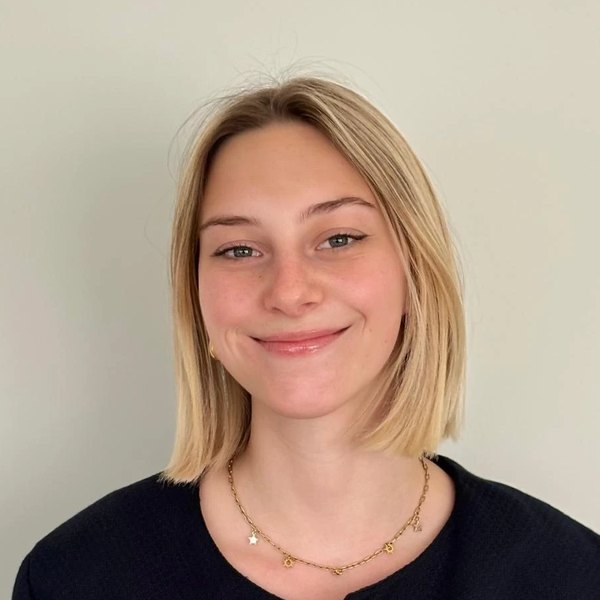
  • Photo of Alexia Jadin

    Alexia Jadin

    Conventioned speech therapist

    Consultations in French

    With a Master’s degree in speech therapy from the University of Brussels, I support every patient with gentleness and kindness. Driven by a passion for my profession, I care deeply about understanding and meeting each patient’s individual needs, while keeping them motivated and engaged throughout their therapy.

    Specialities

    • Oro-myofunctional disorders
    • Articulation disorders
    • Delayed or absent language
    • Early intervention
    • Parental guidance
    • Specific learning disorders

    Patients welcomed : Children, teenagers and adults
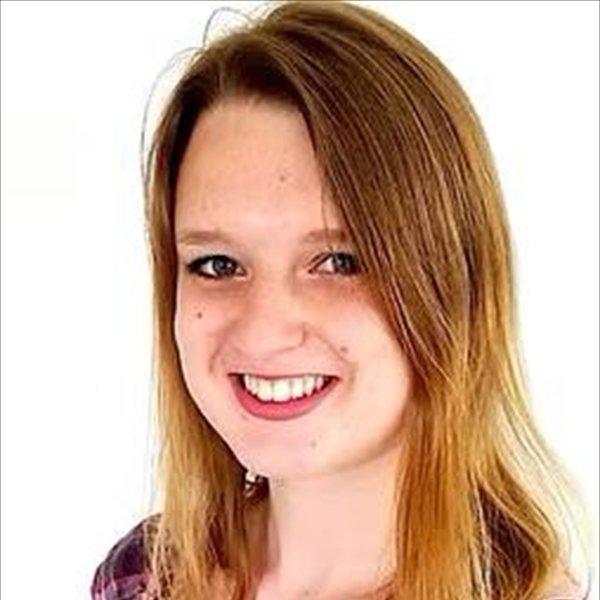
  • Photo of Elise Boulanger

    Elise Boulanger

    Conventioned speech therapist

    Consultations in French

    I support every patient with kindness, patience and commitment. Kind and attentive, rigorous and passionate: these are the qualities I put at the service of my patients.

    Specialities

    • Severe language disorders after a stroke (facial massage)
    • Oral language (including dysphasia)
    • Written language
    • Speech disorders (Parkinson’s, ALS…)
    • Orthodontics (breathing, tongue position, misaligned teeth)
    • Adult dysphagia (difficulty swallowing food and liquids)

    Patients welcomed : Children from age 6 (first year of primary school) and adults

INAMI convention and reimbursement

The speech therapists at Centre Lexia are conventioned. In practice, a large part of the cost of the sessions is reimbursed by your health insurance fund.

Reimbursement goes through your usual Belgian health insurance fund (mutuelle/ziekenfonds): CM, Solidaris, Partenamut or any other. Depending on the situation, it is covered by the compulsory insurance (with a medical prescription and after approval) or by the complementary insurance. We guide you through every step.

How to obtain reimbursement from your health insurance fund?

  1. First contact

    By phone

  2. Assessment prescription

    From your general practitioner

  3. Assessment appointment

    With the speech therapist

  4. Treatment prescription

    From a specialist doctor

  5. Start of therapy

    Sessions can begin

60 days : To obtain reimbursement of the sessions, you have 60 days between the speech therapy assessment and the receipt of the file by your health insurance fund.

Neuropsychology

Neuropsychology consultations are held in French.

  • Photo of Sirine Laaouini

    Sirine Laaouini

    Neuropsychologist and clinical psychologist

    Consultations in French

    As a neuropsychologist and clinical psychologist, I welcome children, teenagers and adults in a caring, confidential setting that respects each person’s pace.

    Read more

    My approach combines neuropsychology and clinical psychology to offer an overall understanding of each person’s cognitive, emotional and psychological functioning.

    I carry out neuropsychological, intellectual and attention assessments, in particular for attention difficulties (ADHD), difficulties at school or at work, memory disorders or questions about giftedness.

    As a clinical psychologist, I also offer a space for listening and support around emotional, relational, behavioural or psychological difficulties, taking each person’s history and needs into account.

    I am currently completing postgraduate training in child, adolescent and family psychotherapy, which enriches my practice and deepens my understanding of individual and family dynamics.

    My aim is to offer personalised, attentive support adapted to each person, highlighting their strengths and helping them to better understand and overcome their difficulties.

    Specialities

    • Neuropsychological assessments
    • Intellectual assessments
    • Attention assessments (ADHD)
    • Memory disorders
    • Giftedness
    • Difficulties at school or at work
    • Psychological support

    Patients welcomed : Children (from 2 years and 6 months for intellectual assessments), teenagers, adults and older adults

Family coaching

Family coaching is available in English, French and Dutch.

  • Margault Dumont

    Family coach

    Coaching in English, French and Dutch

    With a degree in family sciences and training in several therapeutic approaches, I support children, teenagers, adults, parents and families in a caring, safe and non-judgemental setting. My approach is tailored to each person’s age, needs and strengths.

    Specialities

    • Emotional regulation
    • Anxiety and stress
    • Self-confidence and self-esteem
    • Neurodivergence (ASD, ADHD)
    • High sensitivity
    • Parenting support
    • Equine-assisted support
    Background and training
    • Degree in family sciences from Odisee (Schaarbeek).
    • Psychology student at the Vrije Universiteit Brussel (VUB), specialising in clinical psychology.
    • Training in cognitive behavioural therapy (CBT) with the ACGT.
    • Training in dialectical behaviour therapy (DBT).
    • Training in trauma support and integrative approaches.
    • Training in support for eating disorders.
    • Training in body-based and trauma-sensitive approaches.
    • Training in neuropsychology: assessment and counselling.
    • Training in sport psychology.
    • Training in equine-assisted support and coaching.
    • Training in movement sciences and psychomotor therapy.
    Areas of support
    • Emotional regulation and understanding emotions.
    • Anxiety, stress and emotional overload.
    • Difficulties with self-confidence and self-esteem.
    • Fear of failure, perfectionism and performance-related difficulties.
    • Emotional and behavioural difficulties in children.
    • Neurodivergence: support for people with ASD or ADHD, and for people who have questions about how they function.
    • High sensitivity and sensory overload.
    • Relationship and family difficulties.
    • Parenting support.
    • Helping parents understand their child’s needs.
    • Trauma-sensitive support, attentive to emotional, physical and relational effects.
    • Difficulties related to eating and body image, within the scope of my skills.
    • Developing emotional, relational and social skills.
    Therapeutic approach
    • An individual approach, adapted to each person’s age, needs and strengths.
    • Active listening and support in a caring, safe and non-judgemental setting.
    • Tools drawn from cognitive behavioural therapies.
    • Creative and playful methods adapted to children.
    • An approach that takes emotional, cognitive, relational and physical dimensions into account.
    • An approach that respects neurodiversity and sensory differences.
    • Support focused on self-understanding, drawing on personal strengths and developing concrete strategies.
    • Collaboration with parents, families, schools and other professionals where relevant, with the necessary consent.
    Equine-assisted support
    • Support for children, teenagers and adults, depending on needs and goals.
    • Work on emotional regulation.
    • Building self-confidence and assertiveness.
    • Becoming aware of emotions and bodily sensations.
    • Work on personal boundaries and relating to others.
    • Developing a sense of safety and self-awareness.
    • Using the relationship with the horse as a support, when this approach suits the person.
    Goals of the support
    • Better understand one’s emotional and behavioural functioning.
    • Identify one’s needs and personal strengths.
    • Develop strategies suited to everyday difficulties.
    • Strengthen self-confidence and autonomy.
    • Support emotional and sensory regulation.
    • Improve relationships with others.
    • Support parents in understanding and guiding their child.
    • Encourage calmer emotional and relational development.

    Patients welcomed : Children from age 3, teenagers, adults, parents and families

First visit?

Remember to bring your medical prescription (for speech therapy), your identity card and any previous assessments or reports. Also see our FAQ to prepare your visit with peace of mind.